Celina Acreage vs Community Living: How to Choose
March 24, 2026
March 24, 2026
Torn between the elbow room of a few acres and the convenience of a pool‑and‑clubhouse neighborhood? In Celina, you can pick either lifestyle, and both come with real benefits. The key is understanding day‑to‑day routines, true costs, and how growth across North Dallas is shaping long‑term value. In this guide, you’ll compare acreage and amenity‑rich community living so you can decide with confidence. Let’s dive in.
Celina is one of the country’s fastest‑growing small cities, posting a 26.6% population jump from 2022 to 2023, with an estimated population near 43,000. U.S. Census estimates confirm what you see on the ground: new neighborhoods, roads, and commercial sites are arriving quickly. The City of Celina is actively planning for buildout with maps, capital projects, and utility guidance to support future growth. You can explore current initiatives on the City of Celina website.
Transportation and retail are also moving north. The Dallas North Tollway extension and Collin County Outer Loop alignments are improving access, and major retail has taken notice. For example, an H‑E‑B site near the Legacy Hills master plan has been reported, a signal that more services are coming to the area. You can read about the land purchase in the Dallas Morning News coverage.
Acreage parcels around Celina often start at 1 to 3 acres and can stretch well beyond 10 acres. They can be a fit if you want privacy, space for hobbies, or room for a future shop or guest house. Some tracts allow horses or have existing agricultural exemptions. Always review title restrictions and any HOA rules for permitted uses.
Many acreage tracts sit outside city service areas or within the ETJ. That often means co‑op water or a private well and a private septic system. Before you buy, confirm who provides water and electricity and whether municipal sewer is available at your exact address. City resources and seller disclosures can help; start with City of Celina planning and utility information.
Some acreage owners seek an agricultural or open‑space special appraisal to reduce property taxes. Qualification requires specific use intensity and continuity, and a change of use can trigger rollback taxes. Review the rules with the county appraisal district and the Texas Comptroller’s guidance on agricultural and timber appraisal.
Plan for one‑time and ongoing costs that do not show up in typical suburban HOAs. Private well and septic installs in Texas commonly run several thousand to the low tens of thousands, with combined planning ranges around 6,000 to 25,000 dollars depending on geology and system type. You’ll also want to budget for fencing, drive gates, outbuildings, and routine land care. For general system cost ranges, see this Texas septic installation guide.
You get elbow room, flexibility, and quiet. In trade, expect more time on maintenance and longer drives for errands. Emergency services and utilities can be farther away, and school assignment or bus routes may differ by location. If you value privacy and projects over organized neighborhood events, acreage fits that rhythm well.
Celina’s master‑planned communities offer a mix: 50‑foot homesites, larger 60‑ to 86‑foot lots, estate sections, and even custom enclaves in certain phases. Developers publish lot menus by phase, so you can right‑size your home and yard. Explore examples of lot options and builder lineups at Mustang Lakes.
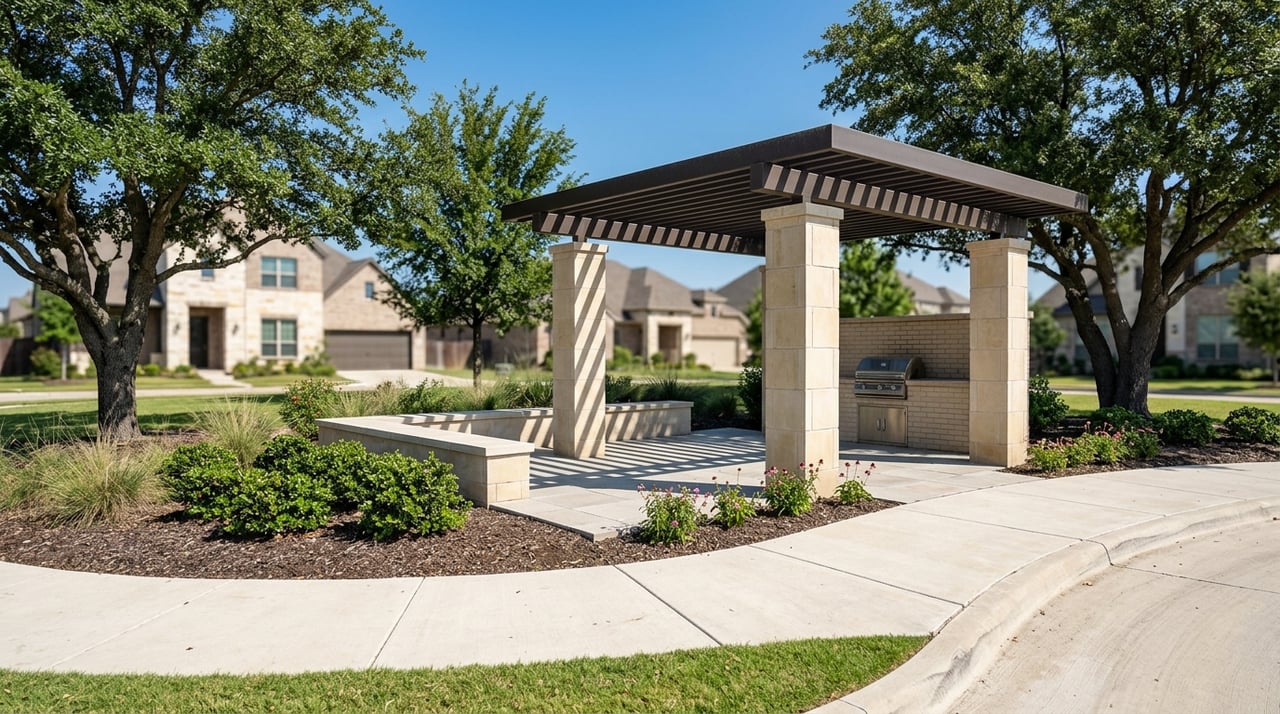
Resort‑style amenities are the hallmark: large clubhouses, multiple pools, fitness centers, trails, lakes, dog parks, and sports courts. Many communities also program frequent resident events to make social life easy. Light Farms, for instance, highlights an active amenity program with frequent gatherings and recreational options; view the amenity snapshot on Light Farms’ community page.
Amenity neighborhoods have mandatory HOAs that fund common‑area upkeep and lifestyle programming. Dues vary by community and lot type, and fees can be higher in lakefront or estate sections or where front‑yard service is included. Always confirm what the dues cover, current budgets, and whether any special assessments are planned.
New master plans roll out in phases. Some developers publish aggressive timelines for amenity delivery, but dates can shift. If you are buying in an early phase, get target openings and details in writing. You can see an example of a phased plan at Hillwood’s Ramble community and preview the amenity vision for Serenade by Huffines.
Many master‑planned communities are positioned near local schools and everyday services. School assignments can vary by block, especially around district boundaries. Verify the attendance zone for your exact address with the district and confirm any planned campus openings shown on community pages like Mustang Lakes.
Both lifestyles can perform well in Celina’s growth corridor. Amenity‑rich communities often attract steady buyer demand because they bundle convenience and lifestyle, especially as new retail and road projects come online. Large master plans like Legacy Hills can create local commercial hubs that support resale appeal. Acreage can benefit from strategic land value as the city expands, particularly near future transportation improvements. In all cases, review nearby projects and confirm your commute against current and future road timelines.
Ready to compare specific neighborhoods and acreage options in Celina? Get a local plan tailored to your routine, budget, and timeline. Reach out to Mike Farish for a friendly, data‑driven consult and on‑the‑ground guidance.
Stay up to date on the latest real estate trends.