The Detail Hiding Behind the Walls in Allen's Most Established Neighborhoods
September 10, 2026
September 10, 2026
A seller in one of Allen's older, tree-lined subdivisions calls a plumber before a listing goes live, expecting a routine check of the water heater and a glance under the kitchen sink. Twenty minutes later, the plumber is crouched at the hose bib with a flashlight, pointing at a length of dull gray pipe stamped with letters most homeowners have never had a reason to read. That stamp, PB2110, is the reason this call happens every season in Allen's more established pockets, and it almost never happens in the newer master-planned sections a few miles north.
This isn't a story about foundations or roofs, the usual suspects in North Texas home inspections. It's about a plumbing material that stopped being installed thirty years ago and is still, quietly, carrying water through some of Allen's most desirable streets.
Polybutylene, the flexible gray, blue, or black plastic pipe plumbers call simply PB, was the standard water-supply material in fast-growing Sun Belt subdivisions from 1978 through the middle of 1995. Builders liked it because it was inexpensive and quick to run through wall cavities. Homeowners never saw a downside until the pipe started failing from the inside, a slow chemical reaction with chlorine and other water-treatment additives that leaves the plastic brittle years before anyone notices a leak.
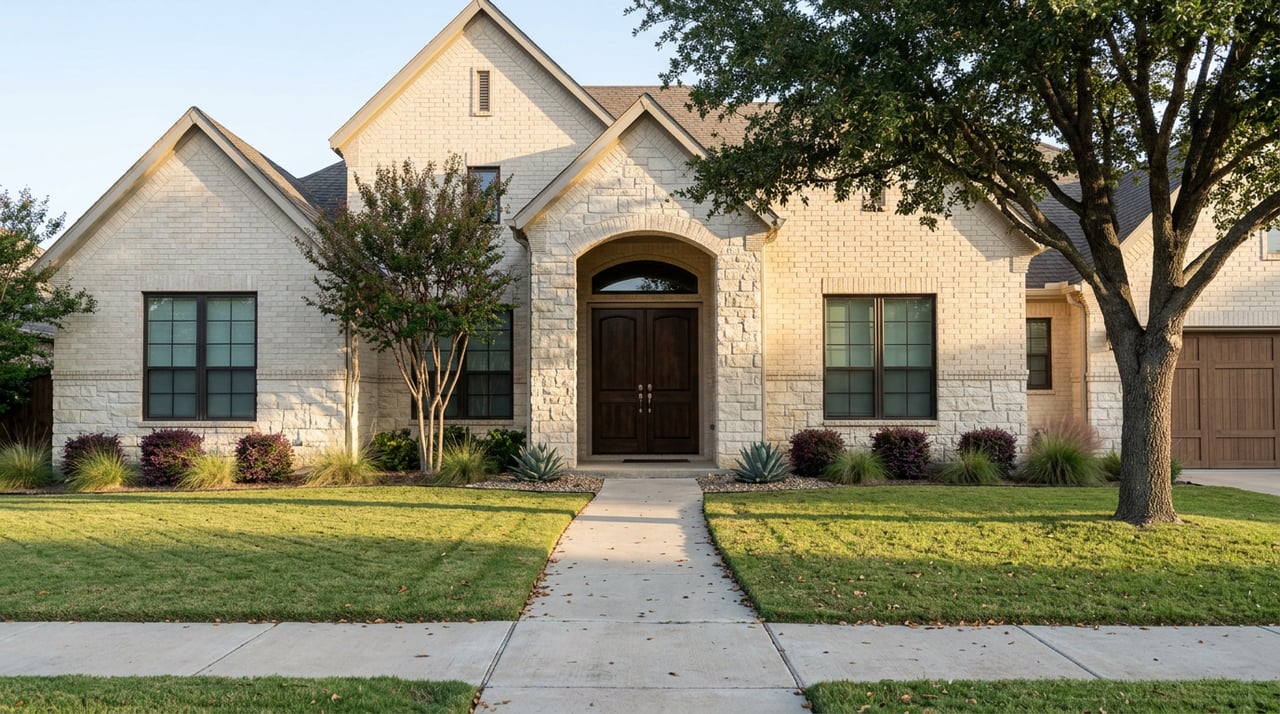
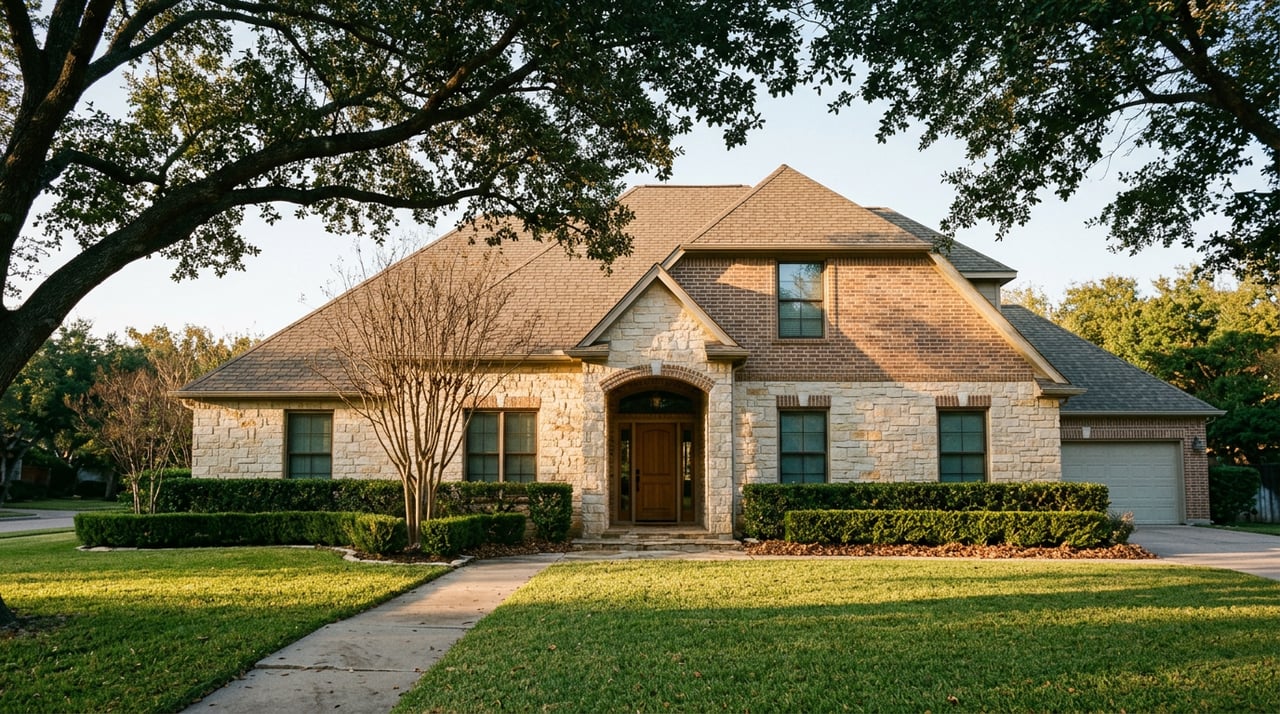
Allen's housing stock sits almost exactly on top of that window. Local plumbing data pegs the median home age in Allen at 22 years, which puts the city's midpoint build year around 2004, nine years after PB production stopped. A median hides the two populations on either side of it, though. Allen's rapid growth through the late 1980s and mid-1990s built entire subdivisions during the exact years PB was standard, and that housing stock didn't disappear. It became the mature, tree-canopied, established neighborhoods buyers actively seek out today for their larger lots and settled landscaping.
The irony is specific to Allen's shape as a city. In most of North Texas, the instinct is that newer construction carries more risk, still settling, still working out foundation and drainage quirks in year one or two. In Allen, for this one system, the instinct runs backward. The neighborhoods that feel safest because they're established and lived-in are the ones most likely running on original 1990s plumbing.
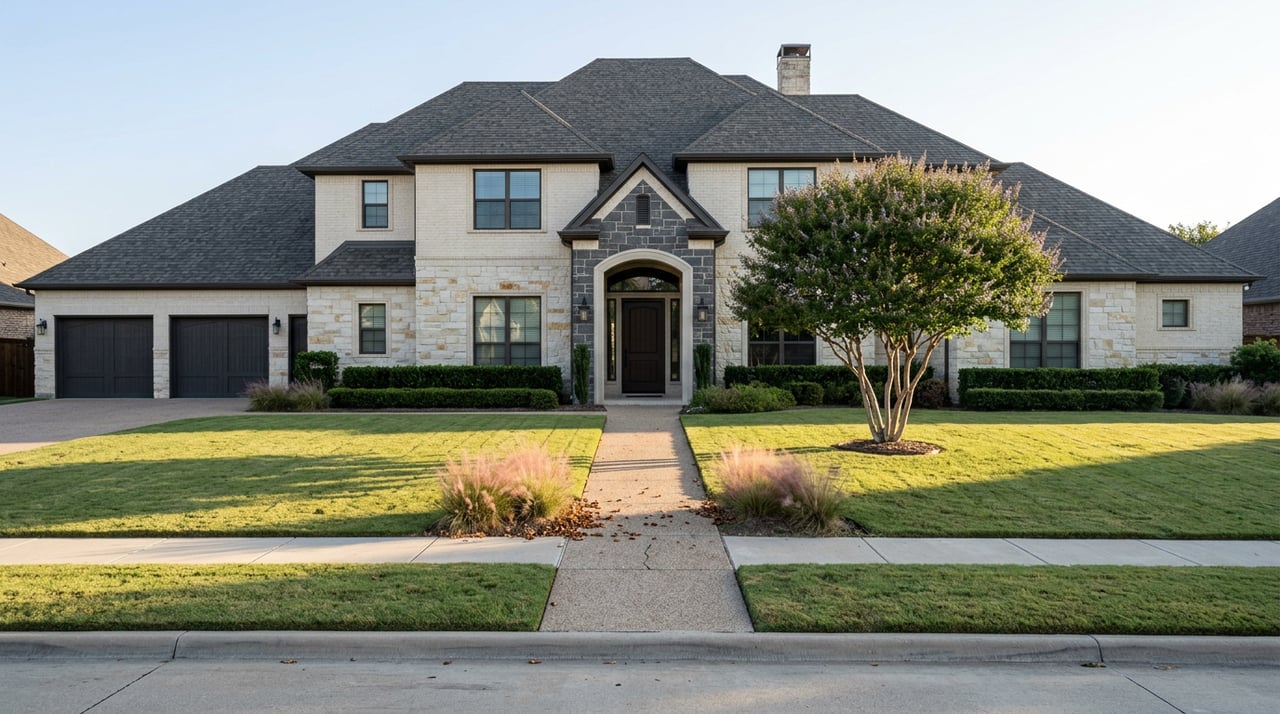
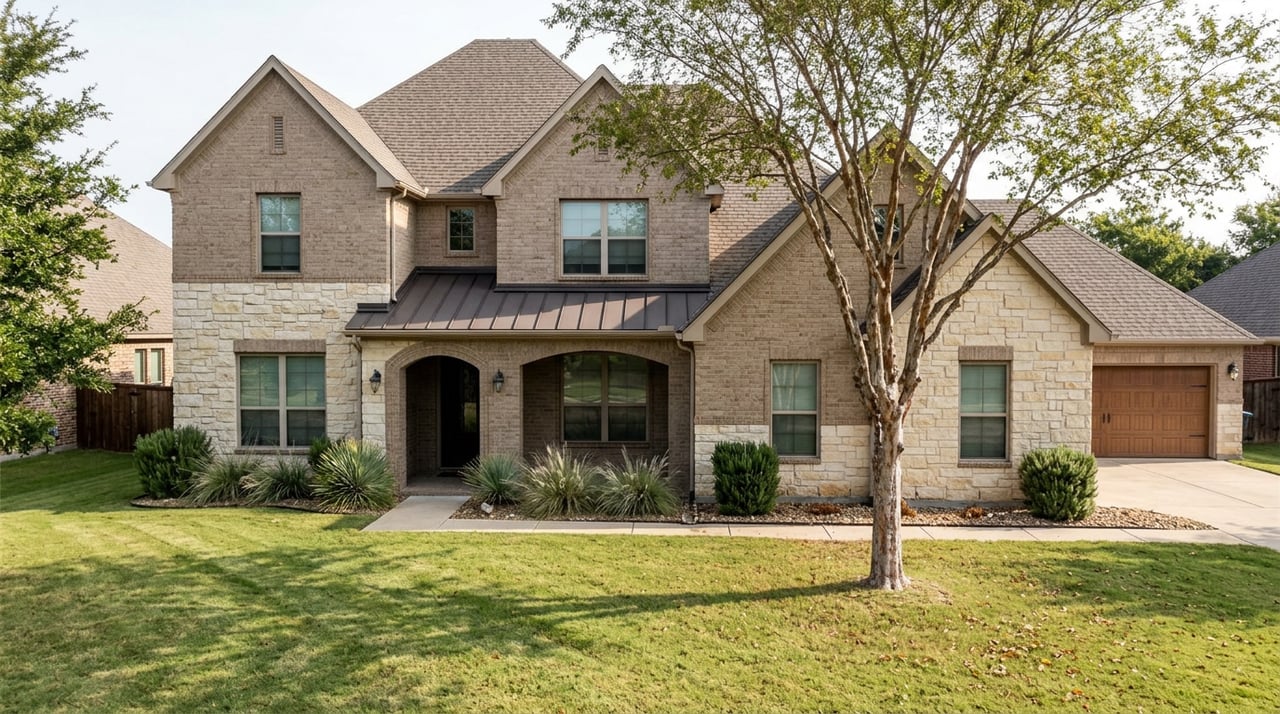
Several of Allen's most recognized established neighborhoods were built across a span of years that straddles the PB cutoff, not cleanly inside it or outside it. Watters Crossing was built primarily in the 1990s. Twin Creeks and its Watters section developed from the late 1990s into the early 2010s. Suncreek filled in from the late 1990s through the early 2000s. Legends at Twin Creeks followed a similar late-1990s-to-early-2000s timeline.
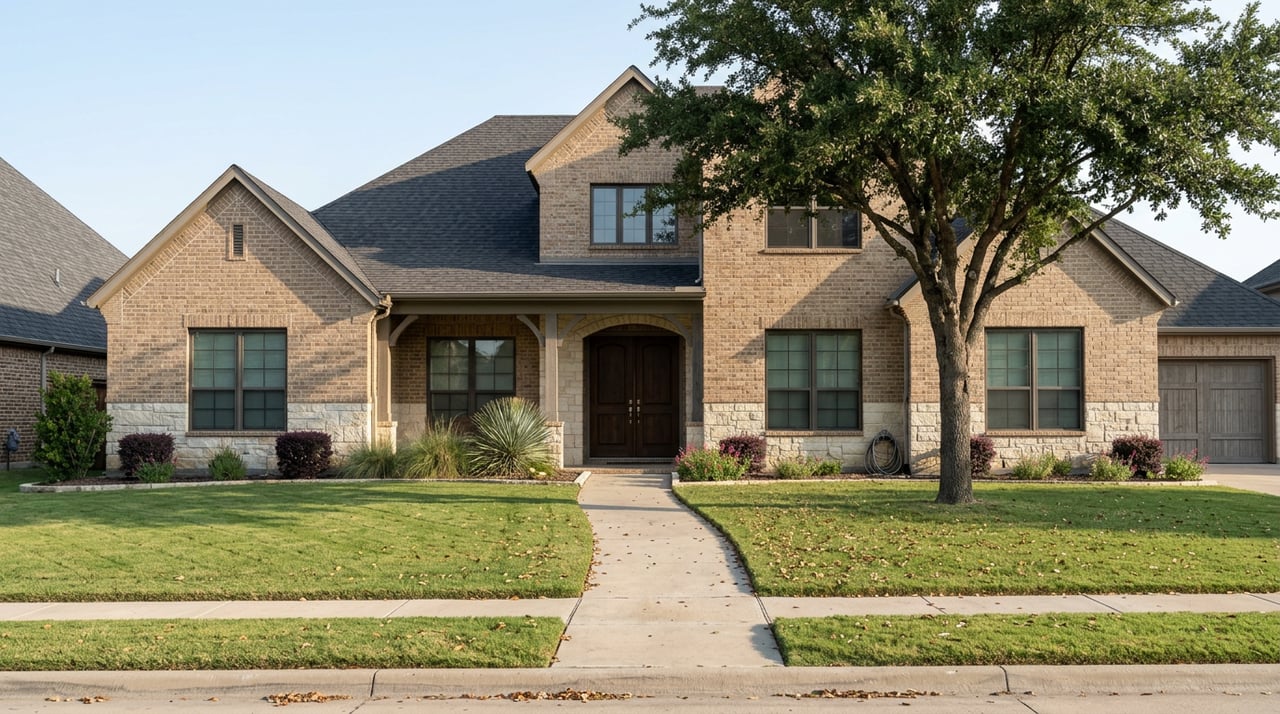
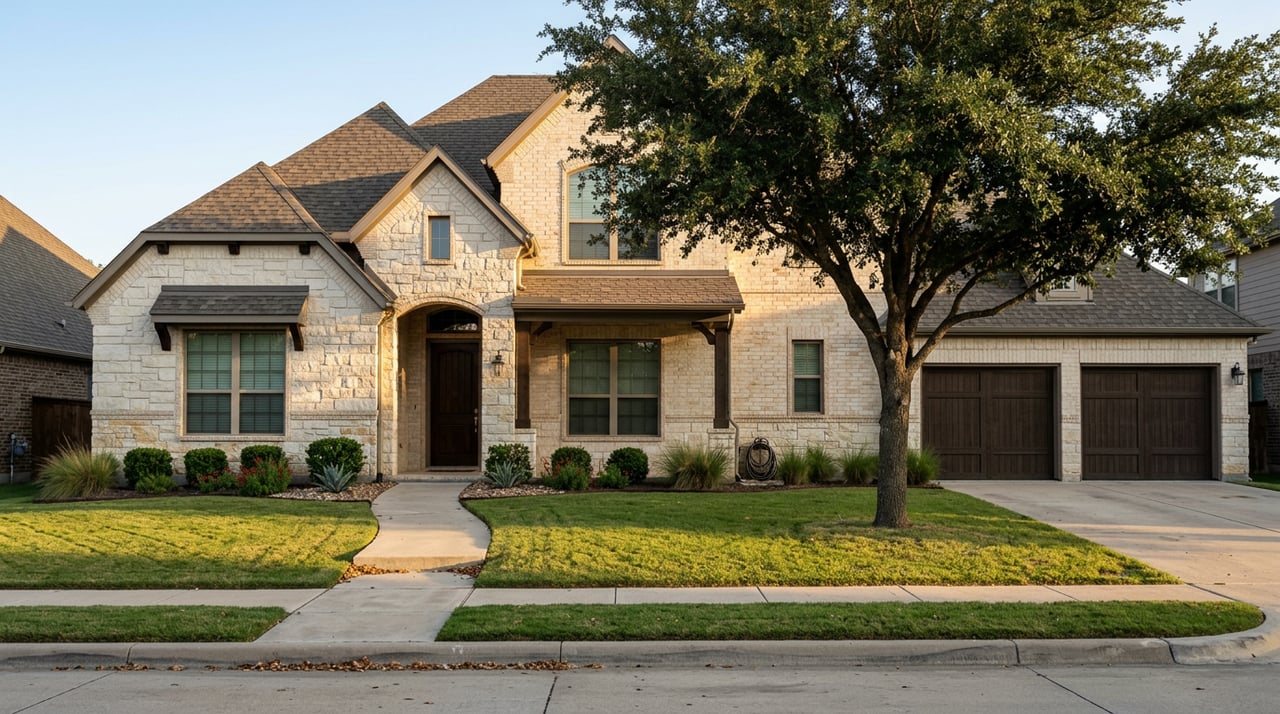
That spread matters more than the neighborhood name on the sign. A home permitted in an early phase of one of these subdivisions, in 1993 or 1994, sits inside the PB window. A home in a later phase of the same subdivision, built in 1999 or 2001, almost certainly doesn't, since most builders had shifted to copper or the newly available PEX by the late 1990s once the PB lawsuits became public knowledge. Two houses on the same cul-de-sac, built four years apart, can have entirely different plumbing behind identical brick facades. The neighborhood name tells you which decade to start asking about. The actual permit date, which the county appraisal district can confirm, tells you which pipe is behind your drywall.
The identification isn't complicated, and it doesn't require opening a wall.
A homeowner can do this walk-through in ten minutes. What it can't tell you is the condition of the pipe inside the walls or under the slab, which is a limitation worth understanding before a buyer's inspector finds it first.
Texas Property Code Section 5.008 requires sellers of most single-family homes to complete a Seller's Disclosure Notice, and the standard behind it is simpler than most sellers expect.
You disclose what you know. Silence about a defect you were genuinely unaware of is not a violation. Silence about a defect you knew about is the whole problem.
You aren't required to open walls, hire a plumber preemptively, or guess at conditions you've never observed. But if you know your home's supply lines are polybutylene, that's a material defect, a fact a reasonable buyer would want before agreeing on a price, and Texas courts have sided with buyers when sellers who knew about a defect left the disclosure box blank.
The complication tends to surface mid-transaction rather than at signing. A seller fills out the disclosure honestly in January, unaware of the pipe material because no one has ever mentioned it. A leak shows up in March, during that same listing period, and now there's a known defect the original disclosure doesn't reflect. Texas has a form for exactly this situation, the TXR Update to Seller's Disclosure Notice, and filing it the moment a condition changes is the difference between a paperwork update and a claim of concealment two years later.
Local plumbers quote a full home repipe in Allen anywhere from roughly $4,185 to $16,740, depending on square footage, fixture count, and whether the replacement material is PEX or copper. PEX runs considerably cheaper than copper for the same scope, which is part of why it has become the default replacement choice in a city with Allen's hard water.
The number that changes more negotiations than the repipe estimate itself is what insurance carriers do once PB shows up on an inspection report. A meaningful share of carriers now decline to write new policies on homes with known polybutylene plumbing, or they issue coverage that excludes water-damage claims tied to the plumbing system entirely. A buyer who discovers this after already being under contract, while trying to bind coverage before closing, is a buyer who calls the listing agent asking for a price reduction, a closing credit, or an extension. None of those conversations go well when they're happening for the first time during option period.
Sellers who replace the pipe before listing, or who at minimum get a written plumber's assessment to attach to the disclosure, tend to see the return show up as fewer inspection contingencies and a smoother path to closing rather than as a line item on the settlement statement.
A general home inspection in Texas is a visual, operational check. Inspectors aren't required to flag polybutylene specifically, and standard practice doesn't include pressure testing or opening finished walls to trace a line's full run. InterNACHI's own reference guide for inspectors is explicit that deterioration inside PB pipe happens from the inside out and can't be detected without dismantling the pipe, which sits well outside a standard inspection's scope.
That gap is exactly why a dedicated plumber walk-through before listing, not a substitute for the inspection but a step ahead of it, is the single highest-leverage move available to a seller in one of Allen's established neighborhoods. It turns an unknown into a known, and a known defect with a plan attached negotiates very differently than the same defect discovered by a stranger during option period.
Does finding polybutylene mean my sale falls apart? No. It's a common, well-documented condition in homes from this era, and buyers, agents, and lenders have worked through it for decades. It becomes a problem when it surfaces as a surprise instead of a disclosed, priced-in fact.
My home passed a standard inspection with no plumbing issues noted. Am I in the clear? Not necessarily. A clean general inspection often means the inspector didn't specifically flag pipe material, not that the material was confirmed to be something other than PB. If your home was built before the mid-1990s, it's worth a separate ten-minute look at the visible supply lines before you rely on that report alone.
What if I genuinely didn't know? Texas disclosure law is built around what you actually knew, not what a plumber could theoretically have found. If you had no reason to know and no prior leak history, you've met the standard. The exposure comes from knowing and leaving the box blank, not from an honest gap in knowledge.
If you're weighing whether to get a plumber's walk-through before listing a home in one of Allen's established neighborhoods, or you just want a clear read on what your street's build era means for a sale, Mike Farish can talk you through it alongside a free home valuation, so you know exactly what you're working with before a buyer's inspector does.
Stay up to date on the latest real estate trends.