Frisco vs Plano Housing: Find Your Ideal Move-Up City
December 18, 2025
December 18, 2025
Outgrowing your starter home and torn between Frisco and Plano? You are not alone. Both cities offer strong options for move‑up buyers, but the fit depends on how you weigh newer construction, HOA lifestyle, commute, and everyday amenities. In this guide, you will see how each city stacks up so you can plan your next move with confidence. Let’s dive in.
Frisco and Plano sit north of Dallas within the larger DFW metro. Frisco lies farther north and spans Collin and Denton counties, while Plano is generally south of Frisco and primarily in Collin County. Both have grown quickly, but they have grown differently.
Frisco features newer master‑planned communities and sports or entertainment districts that attract buyers who want fresh construction and amenities. Plano offers a broader mix of established neighborhoods, renovated resales, and walkable mixed‑use areas near jobs. Your choice comes down to which blend of home age, HOA structure, commute, and lifestyle works best for you.
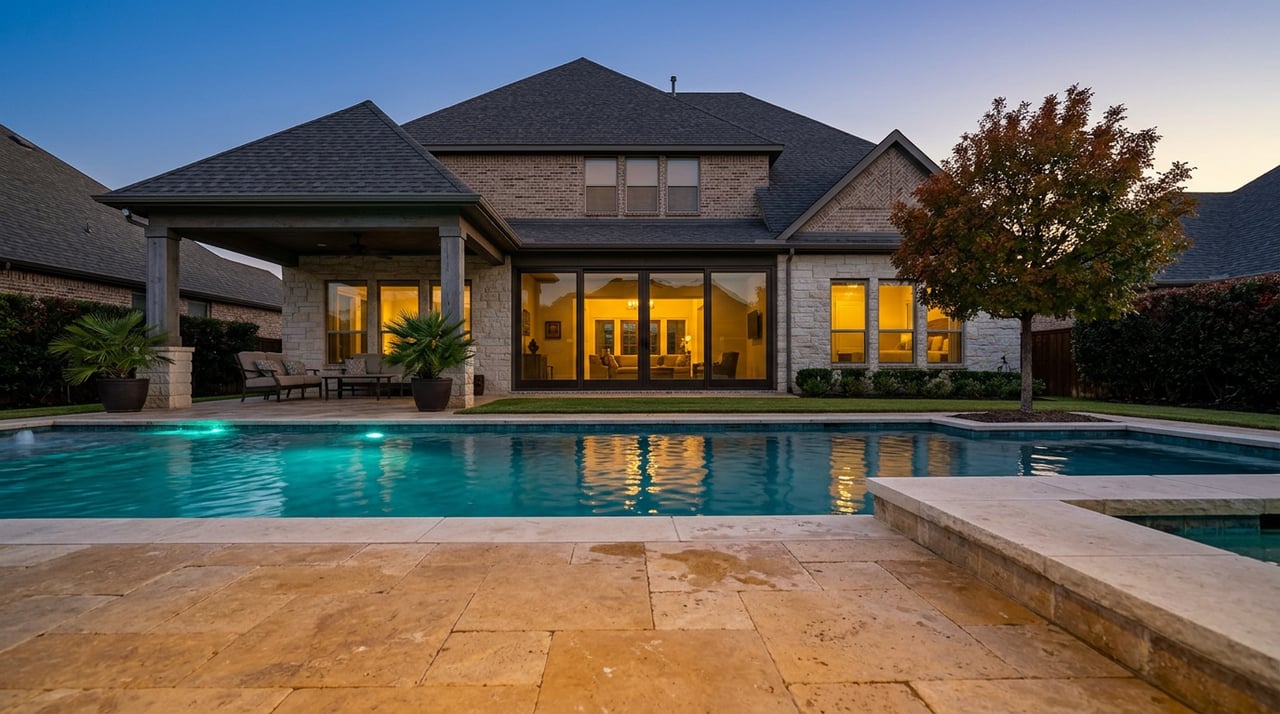
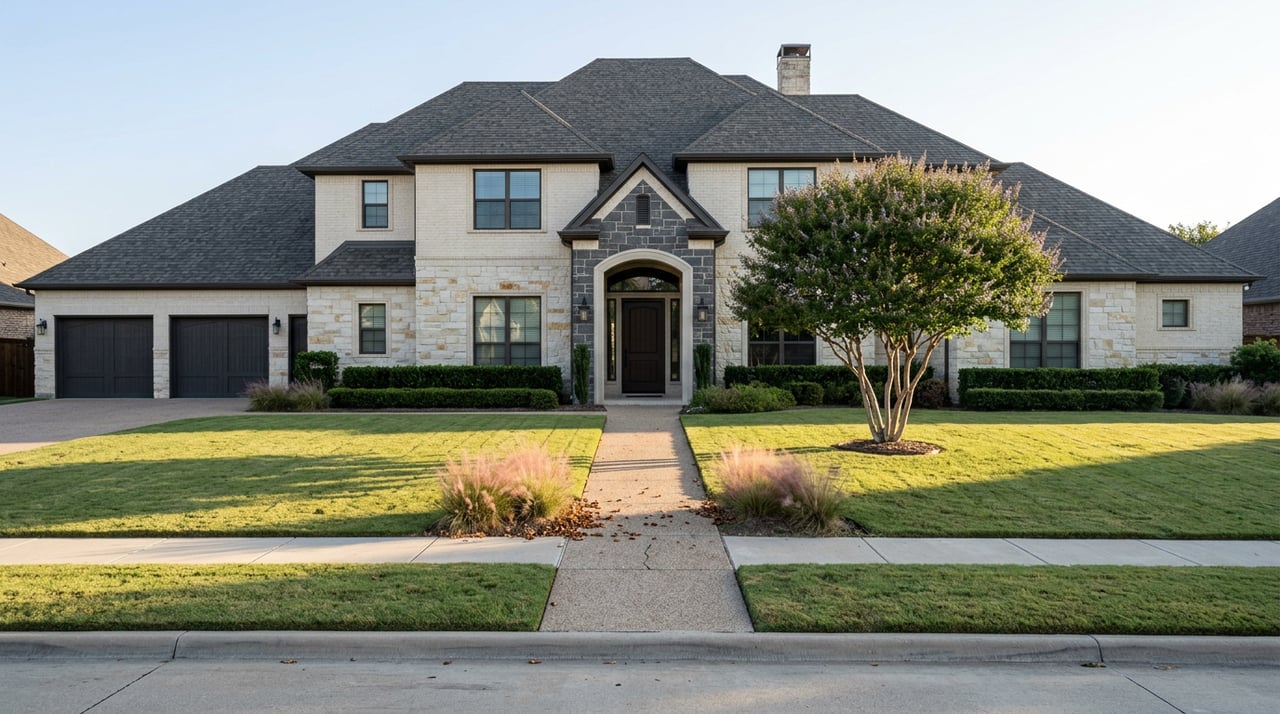
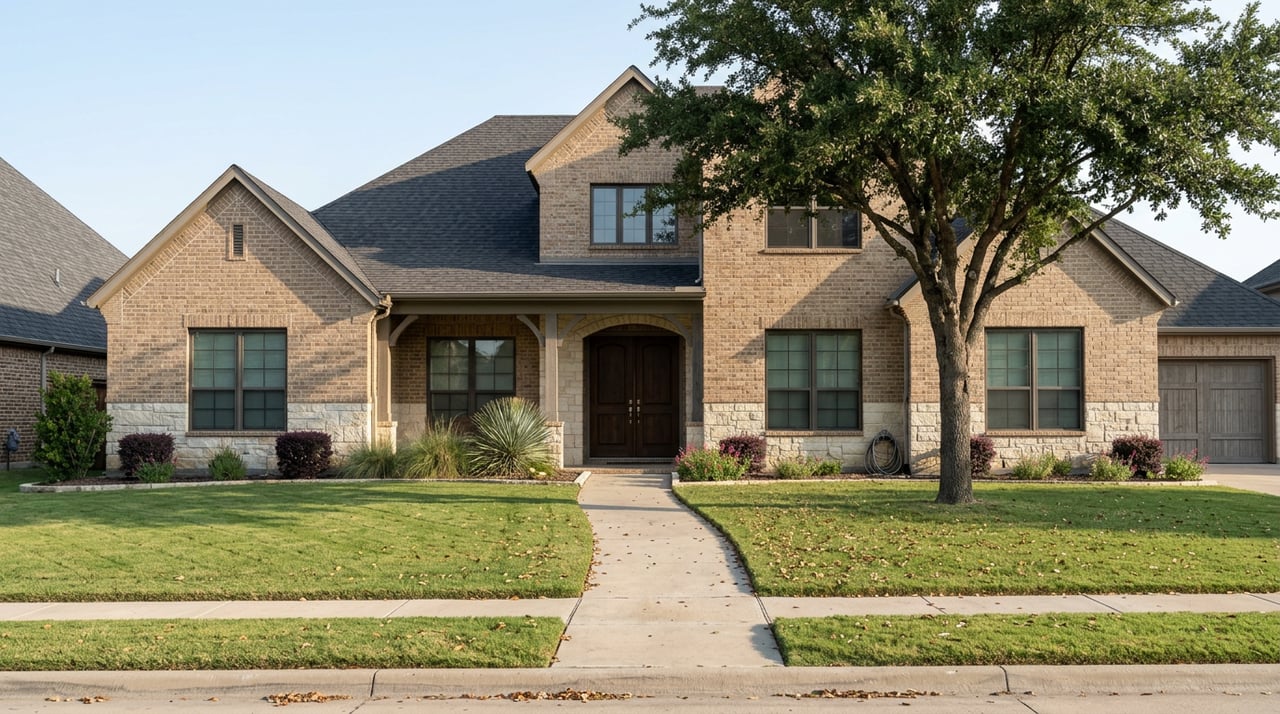
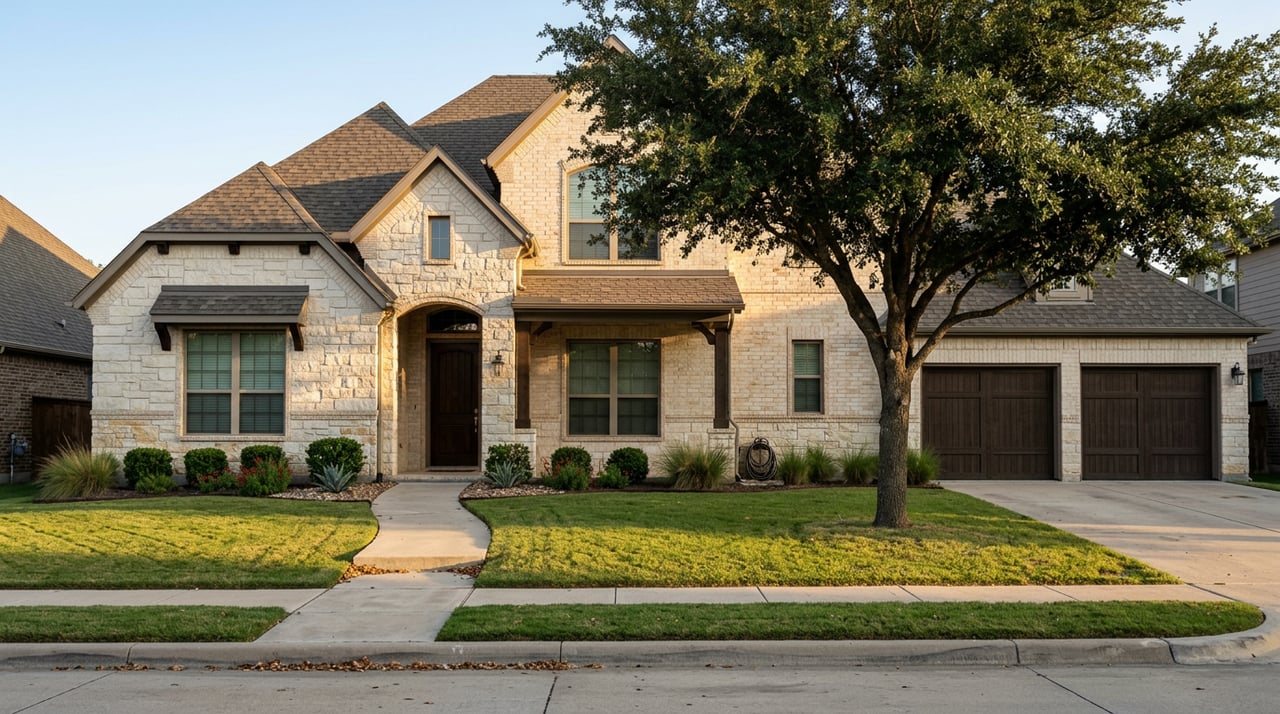
Frisco’s move‑up market leans newer. You will see many single‑family homes built in the 2010s and 2020s, often on larger lots and within amenity‑rich, master‑planned neighborhoods. Townhomes and condos exist, but the single‑family share is high and new‑build opportunities are common.
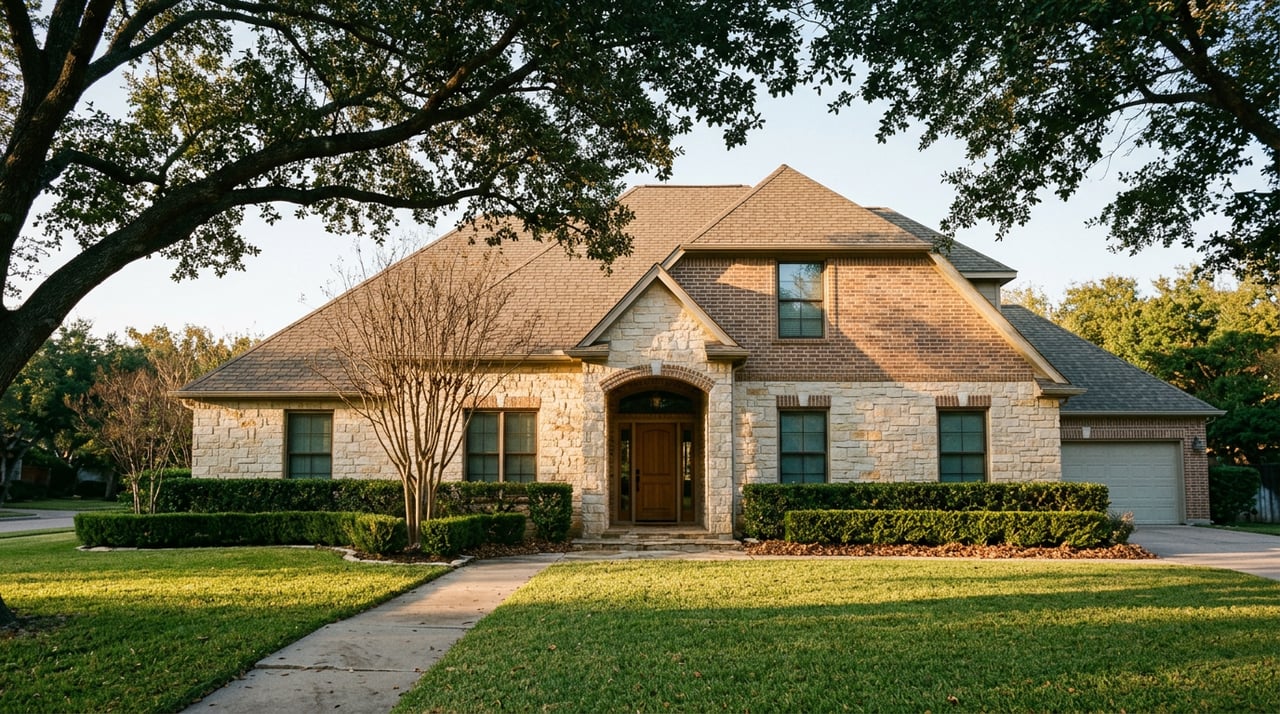
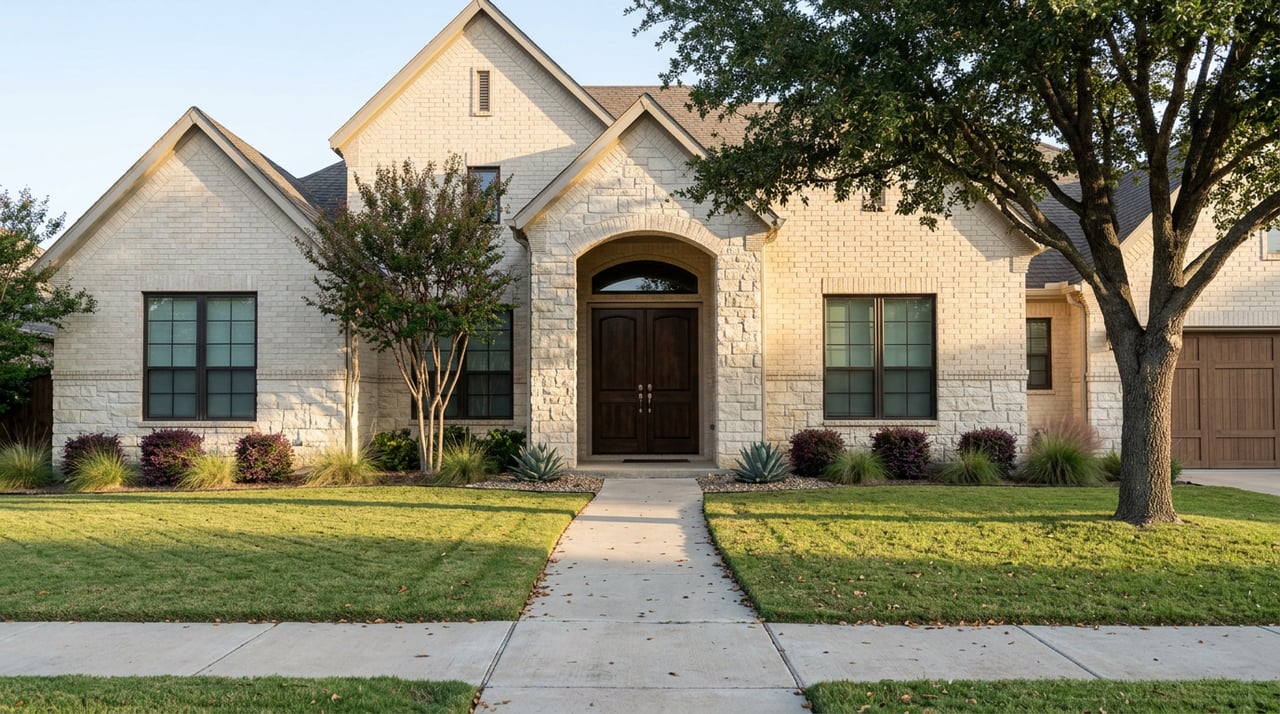
Plano gives you variety. You can find 1970s to 1990s homes with character, renovated resales, newer gated pockets, and townhomes near mixed‑use districts like Legacy and downtown Plano. If you enjoy mid‑century curb appeal or want to remodel to your taste, Plano opens more doors.
When comparing prices for similar homes, Frisco has tended to command higher median sale prices. That premium often reflects newer construction, larger lots, and robust community amenities. Plano usually offers more options in the lower to mid move‑up bands, plus renovation potential that lets you buy lower and invest in updates over time.
Key takeaways:
Where you work shapes your best fit. Plano hugs major corridors like US‑75 for a direct route into central Dallas, and it connects across the suburbs via George Bush Turnpike. Many buyers find that Plano shortens drive times to north Dallas and Richardson.
Frisco relies on the Dallas North Tollway for north‑south travel and Sam Rayburn Tollway for east‑west links, with quick access to other suburbs and DFW Airport. Because Frisco sits farther north, commutes to central Dallas are typically longer than from Plano for similar time periods.
Transit options differ too. Plano has existing DART Red Line rail service to Dallas with stations at Parker Road and downtown Plano. Frisco is more car‑dependent today. Regional planners have advanced an east‑west commuter rail project known as the Silver Line across northern suburbs, which could change future patterns, but as of mid‑2024 Frisco’s access remains focused on roads.
Practical notes:
If you prefer a polished community experience with pools, trails, and programming, Frisco’s HOA landscape will feel familiar. Most master‑planned neighborhoods have mandatory HOAs with professional management, architectural standards, and maintained common areas. Fees vary by amenity level, and you should review covenants, enforcement policies, and reserve health before you buy.
Plano is mixed. Many established neighborhoods have little or no HOA, which can lower monthly carrying costs and allow more personal flexibility. Newer or gated communities in Plano do include HOAs, and rules and fees vary.
If you are eyeing new construction in Frisco, expect a period where the builder controls the HOA before it transfers to homeowners. Review the builder’s warranty coverage and the timeline for HOA turnover so you know what is covered and who makes decisions.
What to check in either city:
Both cities are rich in shopping, dining, parks, and recreation, but the feel differs. Frisco is known for sports and destination retail, with large mixed‑use and stadium‑anchored districts that deliver plenty of family entertainment. New retail often follows new neighborhoods, so convenience is baked in.
Plano offers dense mixed‑use employment and retail clusters, including the Legacy area and downtown Plano. These hubs bring dining, shops, and walkable environments close to jobs. Across the city, established neighborhood centers provide everyday services and grocery options.
Parks and recreation are strong in both. Frisco often integrates neighborhood amenities into master‑planned communities, while Plano features larger regional parks and a well‑developed trail system near established neighborhoods. Healthcare access is robust in both cities, with major hospitals and clinics from regional systems nearby.
Texas has no state income tax, so property taxes drive a meaningful share of total housing cost. Effective rates vary by city, county, and school district. Before you offer, review the property’s recent tax history and estimate taxes at your target price.
Utilities and municipal fees differ by city and by neighborhood. Newer developments in Frisco may have different utility structures than older Plano areas. HOA dues are also part of your monthly picture if you choose an amenity‑rich community.
On resale, both markets attract strong buyer demand, but for different reasons. Frisco’s newer inventory and amenities draw buyers who want finished product. Plano’s variety, price bands, and renovation opportunities broaden the buyer pool across more budgets.
You want a large, modern home with community pools, trails, and event programming. Frisco often matches this brief with more new‑build choices and higher ceilings in luxury communities.
You prefer an established neighborhood feel and want to keep HOA dues modest or optional. Plano has many older neighborhoods with larger lots and fewer mandatory HOAs.
You need a shorter drive to downtown Dallas or a fixed‑rail option. Plano’s location along US‑75 and its existing DART Red Line stations typically provide an edge.
You want easy access to sports facilities, event venues, and destination retail. Frisco is a strong match with its sports and entertainment districts.
You are open to buying a quality resale and investing in updates. Plano’s established neighborhoods often offer more remodel opportunities at varied price points.
Use this quick checklist to narrow your search:
Ready to see both cities through a move‑up lens? With personalized guidance, you can balance price, commute, and lifestyle to make a confident choice.
If you want a friendly, high‑touch advisor with deep North Dallas expertise and polished marketing support, reach out to Mike Farish. You will get clear guidance, local neighborhood insight, and tools like buyer guides and home valuation to plan your next move.
Stay up to date on the latest real estate trends.